
Peptide Calculator
Free online peptide calculator for reconstitution, dilution, and dosing. Use it as a peptide dosage calculator, peptide dose calculator, peptide calculator in mg, peptide syringe calculator, peptide measurement calculator, or peptide bac water calculator for mixing peptides like BPC-157, retatrutide, semaglutide, tesamorelin, AOD 9604, NAD+, ipamorelin, and PT-141.
your desired dose per injection
0.1 mg = 100 mcg (μg)
corresponds with the size of your vial
amount added to your vial
0.1 mg
2.0 units
100 doses
5.00 mg/mL
Peptide Partners · 10% off
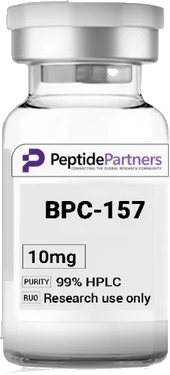
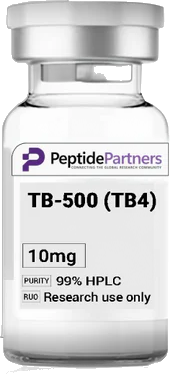
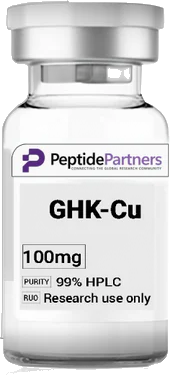
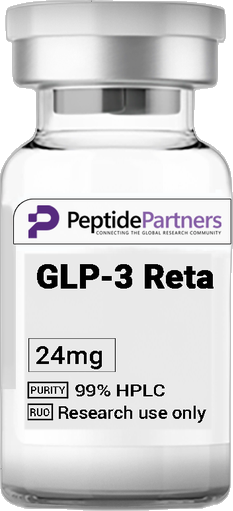
Popular peptides from Peptide Partners
Use code KLIKOOGQWG for 10% off — verified 99% HPLC research-grade vials.
Newbie Starting Point
Need help figuring out how much bac water to add first?
Start with the Bac Water Calculator if you are still working out reconstitution. Then come back here to calculate draw amounts and dosing.
Open Bac Water CalculatorBPC-157 Specific
Researching BPC-157 specifically?
Our dedicated BPC-157 dosage calculator comes pre-configured with common BPC-157 vial sizes and research doses. If you are working from a combined vial, use the BPC-157 TB-500 blend dosage calculator instead.
Popular Peptide Calculators
Need a compound-specific calculator?
Start with the general peptide calculator for any research vial, or use one of these focused GLP calculator pages when you want compound-specific presets, examples, and internal references.
Retatrutide Calculator
GLP-3 reconstitution, mixing, and U-100 unit math.
Semaglutide Calculator
GLP-1 vial concentration and syringe-unit calculator.
Tirzepatide Calculator
Existing tirzepatide units-to-mg calculator.
Tesamorelin Dosage Calculator
GHRH reconstitution, mixing, and U-100 unit math.
CJC-1295 Ipamorelin Dosage Calculator
1:1 blend reconstitution and U-100 unit math.
Sermorelin Dosage Calculator
GHRH reconstitution, mixing, and U-100 unit math.
Nasal Delivery
Researching nasal peptide delivery?
Our dedicated Peptide Nasal Spray Calculator computes sprays per dose, concentration, and total doses for nasal spray bottles.
Open Nasal Spray CalculatorMore Research Peptides
Need a simple peptide calculator for mg-to-units math?
This page also works as a tesamorelin reconstitution calculator, AOD 9604 dosage calculator, NAD reconstitution calculator, peptide pen dosage calculator, peptide blend calculator, and peptide reconstitution chart calculator when the vial strength, bacteriostatic water volume, and desired research amount are known. For combined BPC-157 and TB-500 vials, use the dedicated BPC-157 TB-500 calculator. For a 1:1 CJC-1295 / Ipamorelin vial, use the CJC-1295 Ipamorelin dosage calculator.
How to Use This Calculator
This tool works as a peptide reconstitution calculator, peptide mixing calculator, peptide concentration calculator, peptide math calculator, peptide injection calculator, and peptide reconstitution and dosage calculator in one place. If you need to calculate how much bacteriostatic water to add, how many insulin syringe units (IU) to draw, or how many doses are in a vial, the calculator handles that math automatically.
Select Dose
Choose your desired dose per injection. Common research doses range from 0.1mg to 15mg.
Enter Vial Size
Input the total peptide amount in your vial. Check your vial label for the mg content.
Set Water Volume
Select how much bacteriostatic water you'll add. More water = larger injection volume.
Calculation Formulas
Concentration = Peptide Strength ÷ Water Volume = mg/mL
Units to Draw = (Desired Dose ÷ Concentration) × 100
Doses per Vial = Peptide Strength ÷ Desired Dose
Common Questions
What is bacteriostatic water?
Sterile water containing 0.9% benzyl alcohol as a preservative. It prevents bacterial growth, allowing reconstituted peptides to be stored longer.
Why use an insulin syringe?
Insulin syringes (100-unit, 1mL) offer precise measurement for small volumes. Each unit equals 0.01mL, allowing accurate dosing.
How do I choose water volume?
Less water = higher concentration = smaller injection. More water = easier to measure small doses. 2-3mL is common for most peptides.
Do I need a separate reconstitution chart?
No — this calculator replaces a static reconstitution chart by computing the exact dilution and injection volume for any peptide and vial size. It works as a concentration calculator, syringe calculator, and mixing calculator all in one.
Can I use this as a peptide bac water calculator?
Yes. If you already know how much bacteriostatic water you want to add, this page calculates the resulting peptide concentration, dilution, and draw amount. If you need help deciding the water volume first, use the linked Bac Water Calculator and then return here for the dosing math.
What peptides can this calculator be used for?
It works for most injectable research peptides, including common searches like a BPC-157 dosage calculator, BPC-157 reconstitution calculator, semaglutide reconstitution calculator, retatrutide mixing calculator, reta reconstitution calculator, Tesamorelin dosage calculator, AOD 9604 dosage calculator, MOTS-c reconstitution calculator, NAD+ reconstitution calculator, semax peptide calculator, or selank peptide calculator. The math is the same: vial strength, water volume, and desired research amount determine your syringe units. For Tesamorelin-specific presets and a reconstitution table, use the dedicated Tesamorelin dosage calculator.
Can I use this as a peptide blend calculator?
Yes, if the blend vial has a known total milligram amount and you are calculating draw volume from the total blend concentration. For a BPC-157 + TB-500 blend dosage calculator workflow, enter the total vial strength, the bacteriostatic water added, and the desired research amount. If you need separate per-compound math, calculate each component separately before interpreting the combined vial.
Is this a peptide pen dosage calculator?
This page is built around U-100 insulin syringe units, where 100 units equals 1 mL. A peptide pen may use a different click system or cartridge concentration, so do not assume pen clicks equal syringe units. Use the calculator for mg-to-mL and syringe-unit math when the vial concentration is known.